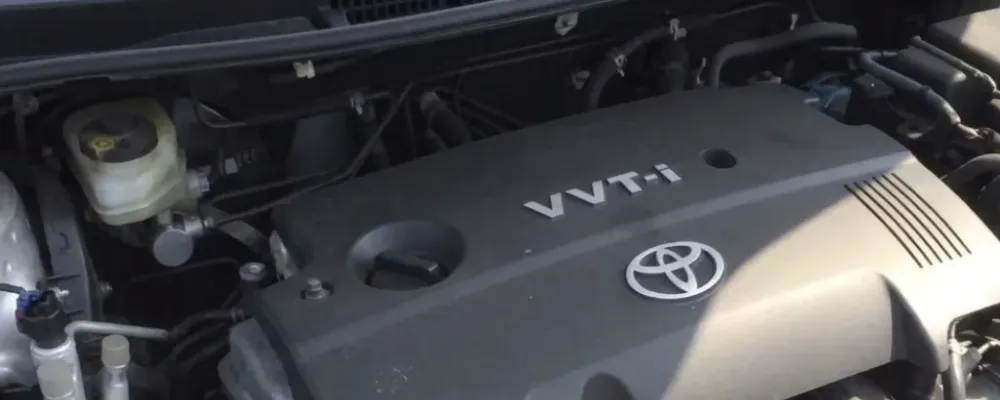
If you have been shopping for a Toyota engine in Zimbabwe or researching used cars, you have probably come across the term VVT-i engine. But what does VVT-i actually mean, and how does it affect a car’s performance, fuel consumption and reliability?
VVT-i stands for Variable Valve Timing with intelligence. It is Toyota’s technology for automatically adjusting the timing of the engine’s valves according to driving conditions. The system helps improve fuel efficiency, engine performance, emissions and drivability.
It was first introduced in 1995 with the 2JZ-GE engine found in Toyota Crown.
VVT-i is commonly found in Toyota vehicles such as the Toyota Vitz, Toyota Corolla, Toyota Premio, Toyota Allion, Toyota Wish, Toyota Noah, Toyota RAV4 and Toyota Harrier, among many others.
What Does VVT-i Mean?
VVT-i means Variable Valve Timing with intelligence.
The technology was developed by Toyota to control when the engine’s intake and exhaust valves open and close. Instead of using fixed valve timing under all conditions, the engine can adjust valve timing depending on factors such as engine speed and load.
This allows the engine to operate more efficiently across different driving conditions.
For example, the engine may use different valve timing when:
- Starting the engine
- Idling
- Accelerating
- Cruising at highway speeds
- Climbing a hill
- Carrying a heavy load
How Does a VVT-i Engine Work?
A VVT-i system uses the engine’s computer and components such as an oil control valve and camshaft timing mechanism to adjust the position of the camshaft relative to the crankshaft.
The engine computer monitors various conditions and determines the appropriate valve timing.
The result is an engine that can balance performance and efficiency more effectively than an engine with fixed valve timing.
Benefits of a VVT-i Engine
1. Better Fuel Economy
One of the main advantages of VVT-i is improved fuel efficiency.
By adjusting valve timing according to driving conditions, the engine can operate more efficiently and reduce unnecessary fuel consumption.
This is particularly useful for everyday driving and stop-and-go traffic.
2. Improved Engine Performance
VVT-i can help an engine produce useful torque across a wider range of engine speeds.
This can make the vehicle feel more responsive during acceleration while still maintaining good efficiency during normal driving.
3. Lower Emissions
More precise control of valve timing can improve combustion efficiency and help reduce harmful exhaust emissions.
This is one reason variable valve timing technology became increasingly common in modern petrol engines.
4. Smoother Driving
VVT-i can help the engine deliver power more smoothly across different engine speeds.
The driver may notice this as improved throttle response and more consistent performance.
5. Good Balance Between Power and Economy
A traditional engine may have to compromise between low-speed efficiency and high-speed performance.
VVT-i helps Toyota design engines that can provide a better balance between these characteristics.
Is VVT-i the Same as VTEC?
VVT-i is Toyota’s variable valve timing technology, while VTEC is Honda’s technology.
Both technologies are designed to control valve operation, but they use different systems and engineering approaches.
Other manufacturers have their own versions of variable valve timing technology, including BMW’s VANOS, Mitsubishi’s MIVEC and Nissan’s CVTC.
Is a VVT-i Engine Reliable?
VVT-i engines are generally known for good reliability when properly maintained.
However, VVT-i does not mean that an engine is maintenance-free. The system relies heavily on clean engine oil and proper servicing.
Problems can occur when an engine is neglected or serviced incorrectly.
Common issues can include:
- Dirty or blocked oil control valves
- Sludge buildup
- Poor-quality or incorrect engine oil
- Worn timing components
- Faulty sensors
- Oil leaks
- Camshaft timing actuator problems
Regular oil changes and using the correct oil specification are therefore important.
Does VVT-i Save Fuel?
Yes, VVT-i can improve fuel economy, but the actual fuel consumption of a vehicle depends on much more than the VVT-i system.
Factors include:
- Engine size
- Vehicle weight
- Driving style
- Traffic conditions
- Transmission
- Tyre pressure
- Vehicle condition
- Air-conditioning use
- Fuel quality
- Maintenance
For example, a small Toyota VVT-i engine in a lightweight hatchback can be considerably more economical than a larger VVT-i engine installed in a heavy SUV.
What Is Dual VVT-i?
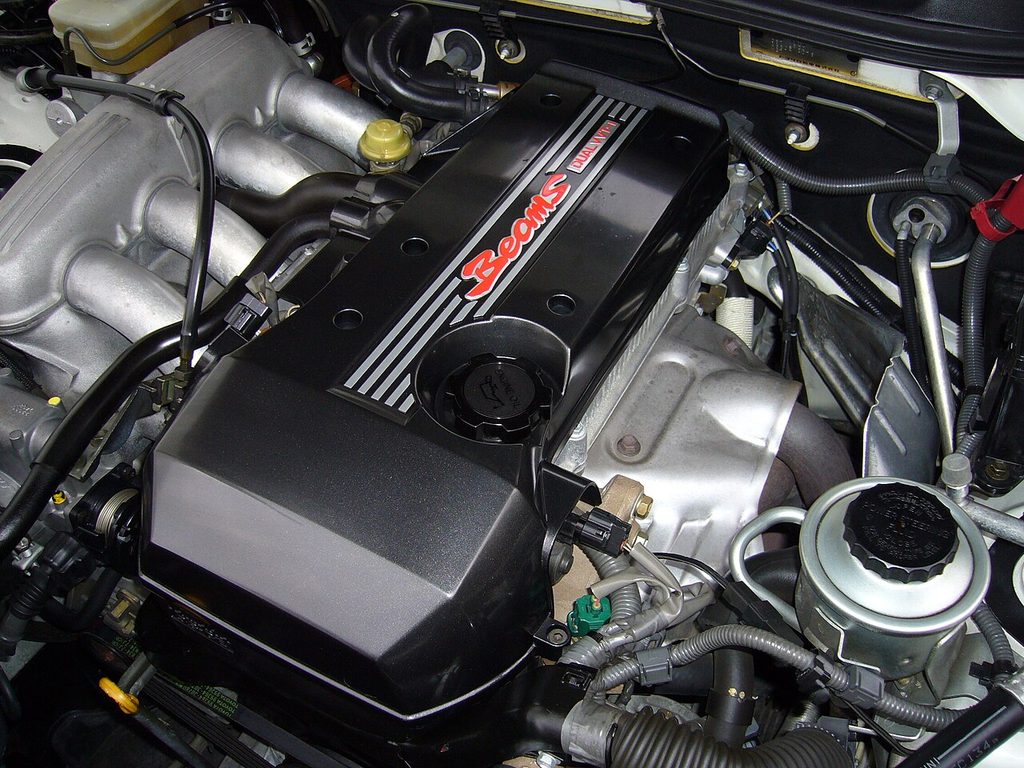
Dual VVT-i is a more advanced version of Toyota’s variable valve timing system. It was first used in the Beams 3SGE Altezza engine in 1998.
Instead of controlling valve timing on one camshaft, Dual VVT-i can control the timing of both the intake and exhaust camshafts.
This provides greater control over the engine’s valve timing and can further improve:
- Fuel efficiency
- Engine performance
- Emissions
- Torque delivery
Many newer Toyota engines use Dual VVT-i.
VVT-i vs Dual VVT-i
| Feature | VVT-i | Dual VVT-i |
|---|---|---|
| Valve timing control | One camshaft system | Intake and exhaust camshafts |
| Efficiency | Improved | Further optimized |
| Performance | Improved | Further optimized |
| Emissions | Reduced | Further optimized |
| Technology | Older | Newer |
Are All VVT-i Engines the Same?
The term VVT-i describes the valve timing technology, not a specific engine.
Toyota has produced many different VVT-i engines with different engine sizes, designs and performance characteristics.
For example, a 1.0-litre VVT-i engine and a 2.5-litre VVT-i engine can have very different fuel consumption and performance.
There are other VVT-i variations such as VVTL-i, VVT-iE, and VVT-iW.
When buying a used Toyota engine, it is therefore important to look at the specific engine code, displacement and vehicle model, rather than assuming that every VVT-i engine performs the same way.
Common Toyota VVT-i Cars
VVT-i technology has been used in many Toyota models, including various generations of:
- Toyota Vitz
- Toyota Corolla
- Toyota Premio
- Toyota Allion
- Toyota RAV4
- Toyota Wish
- Toyota Noah
- Toyota Harrier
- Toyota Ipsum
- Toyota Raum
- Toyota Probox
The exact engine and VVT-i system can vary depending on the model year and market.
VVT-i Engine Maintenance Tips
To keep a VVT-i engine running properly:
- Change the engine oil regularly.
- Use the correct oil specification recommended for the engine.
- Replace the oil filter when servicing the engine.
- Keep the engine free from excessive oil sludge.
- Investigate engine warning lights promptly.
- Use good-quality replacement parts.
- Follow the manufacturer’s recommended service intervals.
Because the VVT-i system uses engine oil to operate its timing mechanism, neglected oil maintenance can eventually cause problems.
What Happens When VVT-i Fails?
A malfunctioning VVT-i system can cause several symptoms.
Depending on the specific fault, you may notice:
- Rough idling
- Poor acceleration
- Increased fuel consumption
- Engine hesitation
- Difficulty starting
- Reduced engine performance
- Check-engine light
- Unusual engine noise
These symptoms can also be caused by other engine problems, so proper diagnosis is necessary before replacing VVT-i components.
Is VVT-i Good in Zimbabwe
VVT-i technology can be useful for everyday driving in Zimbabwe because it provides a combination of fuel efficiency, performance and drivability.
However, the condition of a used vehicle is more important than simply seeing “VVT-i” on the engine cover.
When buying an imported used Toyota, check the vehicle’s service history, engine condition, mileage, transmission, cooling system and overall mechanical condition.
Frequently Asked Questions
What does VVT-i stand for?
VVT-i stands for Variable Valve Timing with intelligence, Toyota’s technology for adjusting engine valve timing according to operating conditions.
Is VVT-i a type of engine?
Not exactly. VVT-i is an engine technology, not a specific engine type. Toyota has used VVT-i technology in many different engines.
Does VVT-i improve fuel economy?
Yes. Variable valve timing can help improve engine efficiency and fuel economy, although actual fuel consumption depends on the vehicle and driving conditions.
Is VVT-i better than a normal engine?
VVT-i provides more flexible valve timing than a conventional fixed-timing system. Its benefits include improved efficiency, performance and emissions.
How long does a VVT-i engine last?
There is no fixed lifespan for a VVT-i engine. Its longevity depends on factors such as maintenance, oil changes, driving conditions and the condition of the specific engine.
Does VVT-i require special maintenance?
The system does not normally require a separate maintenance procedure, but regular engine oil and filter changes are particularly important because the variable valve timing mechanism relies on engine oil.
Conclusion
A VVT-i engine is a Toyota engine equipped with Variable Valve Timing with intelligence technology. The system automatically adjusts valve timing to help the engine achieve a better balance of fuel economy, performance, emissions and smoothness.
For anyone buying a Toyota, understanding VVT-i is useful. However, the VVT-i badge alone should not determine whether a vehicle is a good purchase. The specific engine, maintenance history and mechanical condition are all important factors.
NB: This article was written with the aid of AI